


June 11, 2026
FOR IMMEDIATE RELEASE: Contact Diana Evans, Executive Director, at 907-271-2815
Council to Evaluate Measures to Reduce Bottom Contact by Pelagic Trawl Gear
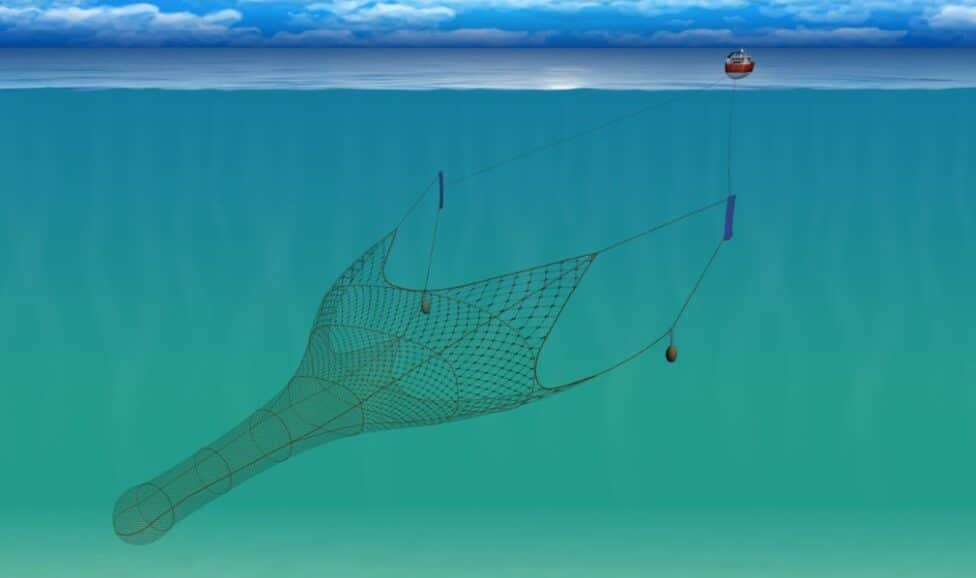
During its June meeting, the North Pacific Fishery Management Council (Council) took action to assess viable and enforceable regulatory mechanisms to reduce bottom contact of pelagic trawl gear in areas prohibited to non-pelagic trawling. The purpose of the Council’s action is to reduce uncertainty associated with unobserved crab mortality, and to continually improve upon existing fishing practices in light of depressed red king crab populations and changing ecosystem conditions.
The action was informed by presentations updating the Council on ongoing crab and pelagic trawl gear innovation research and science, and public input. The information requested at this meeting will support potential development of new management measures to reduce bottom contact by pelagic trawl gear, such as a maximum bottom contact rate, the maximum area over which gear-seafloor interactions may occur, gear modifications, and operational standards. These measures would build on current protections for closed areas, and reduce seafloor contact from status quo conditions, not eliminate it entirely. This is in recognition that some bottom contact is necessary to effectively catch pollock and avoid salmon, that pelagic trawl gear has lower intensity seafloor contact than bottom trawl gear, and that pelagic gear is designed and regulated as a distinct gear type with different bottom contact characteristics.
In evaluating these options, the Council will consider potential effects on fishing operations, catch efficiency, fishing behavior, effort distribution, and bycatch to help identify conservation benefits from any future action. The Council also endorsed continued research on gear innovation, the pollock industry’s experimental pelagic gear modification project, and research on crab habitat and distribution to improve understanding of fishing interactions with crab resources in support of future management decisions. The Council focused its action on unobserved crab mortality as the Fishing Effects model remains the primary peer-reviewed tool used to evaluate fishing effects on benthic habitats in Alaska, and the most recent review concluded that the adverse effects of fishing activity on Essential Fish Habitat are no more than minimal or temporary.
In addition, the Council recognized the pollock industry for implementing voluntary, dynamic spatial closures in 2026 to avoid Bristol Bay red king crab, and requested that similar measures continue during the 2027 pollock A season, while recognizing that salmon bycatch avoidance remains the highest priority.
For more detailed information:
- Voluntary Dynamic Spatial Measures in 2027, Council motion
- Pelagic trawl gear performance standard, Council motion
XXX
The North Pacific Fishery Management Council is one of eight regional councils established by the Magnuson-Stevens Fishery Conservation and Management Act (MSA) in 1976 to manage fisheries in the 200-mile Exclusive Economic Zone, 3 miles off the coast of Alaska. Per the MSA, the 11 voting members serving on the Council are regional experts appointed by the Secretary of Commerce; designees of the state marine fisheries commissioners from Alaska, Washington, and Oregon; and the Regional Administrator of the National Marine Fisheries Service. Federal fisheries decisions must be consistent with the MSA and other federal laws. The Council, along with its advisory bodies, was formed so federal fishery management decisions could be made at a regional level, emphasizing public input. Statements in this notice represent the views or positions of the North Pacific Fishery Management Council, unless otherwise indicated. The Council speaks solely on behalf of the Council, not any federal, state, tribal, or local agency.